Radiant Barrier Installation in Austin, TX
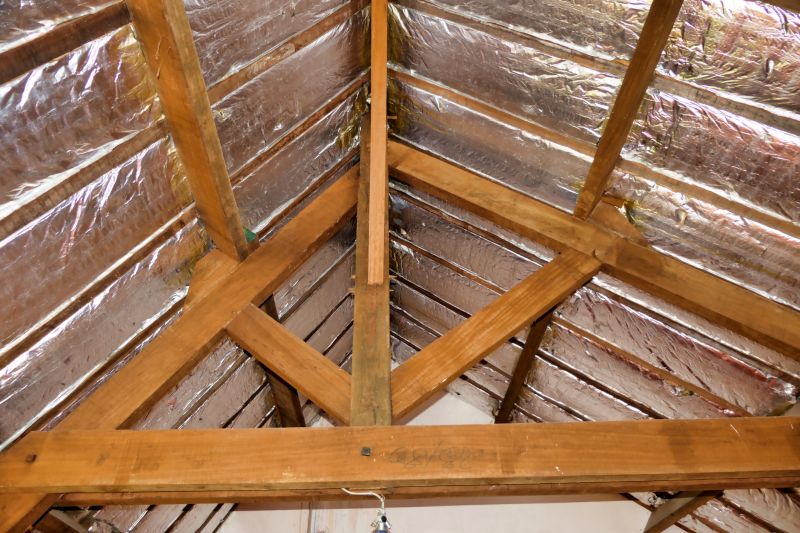
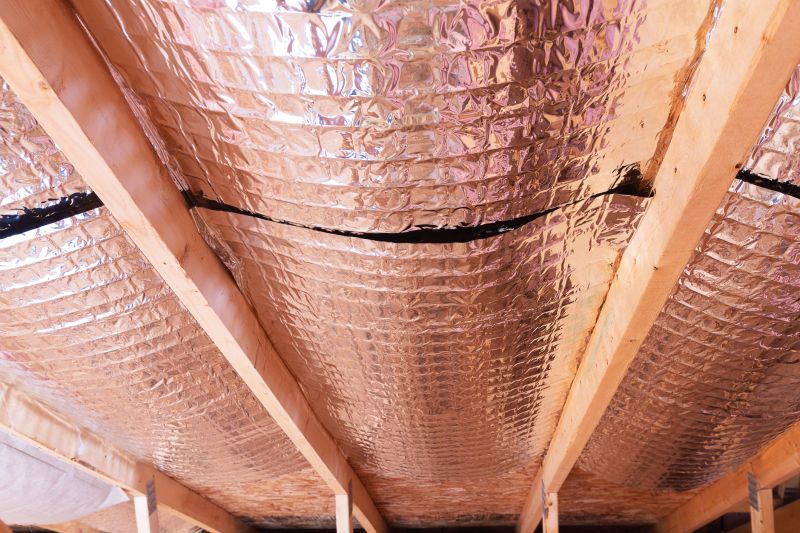
Radiant barrier installation involves adding a reflective material to the attic or roof space to reduce heat transfer between the exterior and interior of a property. This service is commonly requested during home improvement projects aimed at improving energy efficiency and maintaining a more comfortable indoor environment, especially during hot Texas summers. Property owners typically seek radiant barriers to help lower cooling costs, improve indoor comfort, and protect roofing structures from heat damage by reflecting radiant heat away from living spaces.
Before requesting radiant barrier installation, property owners often want to understand the scope of the project, including the best placement for the reflective material and how it integrates with existing insulation. It’s also helpful to consider the specific needs of the home, such as attic ventilation and insulation levels, to determine the most effective approach. Clear communication about the type of radiant barrier material, installation process, and potential benefits can support informed decisions for improving home comfort and energy savings.
Many property owners in Austin, TX look into Radiant Barrier Installation for repairs, replacements, upgrades, and appearance-related improvements.
Benefits Of Radiant Barriers
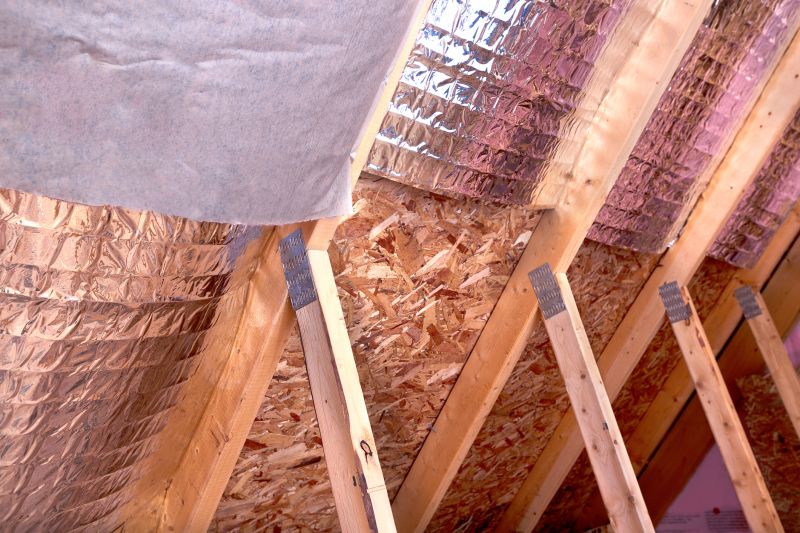
Radiant barriers help reduce heat transfer and improve indoor comfort during hot austin summers.
Installation Considerations
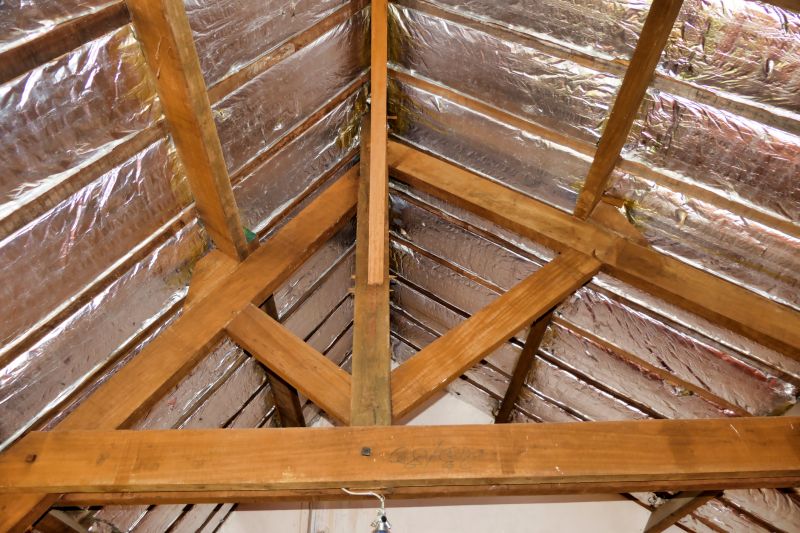
Proper installation ensures maximum effectiveness in reflecting heat away from attics and living spaces.
Project Types And Applications
Radiant barrier solutions can be integrated into various roofing and attic insulation projects for homes and commercial properties in austin.
Radiant Barrier Installation in Austin, TX
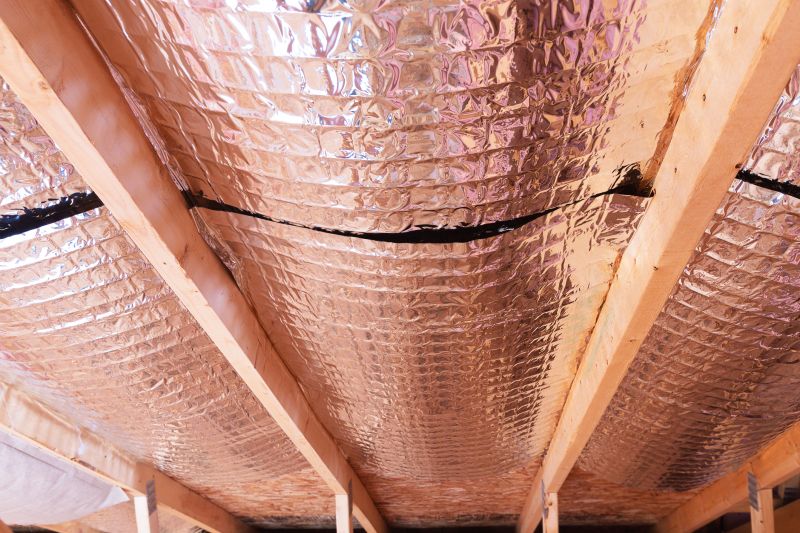
Radiant barrier installation involves adding a reflective material to the attic or roof space to reduce heat transfer between the exterior and interior of a property. This service is commonly requested during home improvement projects aimed at improving energy efficiency and maintaining a more comfortable indoor environment, especially during hot Texas summers. Property owners typically seek radiant barriers to help lower cooling costs, improve indoor comfort, and protect roofing structures from heat damage by reflecting radiant heat away from living spaces.
Before requesting radiant barrier installation, property owners often want to understand the scope of the project, including the best placement for the reflective material and how it integrates with existing insulation. It’s also helpful to consider the specific needs of the home, such as attic ventilation and insulation levels, to determine the most effective approach. Clear communication about the type of radiant barrier material, installation process, and potential benefits can support informed decisions for improving home comfort and energy savings.
Many property owners in Austin, TX look into Radiant Barrier Installation for repairs, replacements, upgrades, and appearance-related improvements.
Common Radiant Barrier Installation Jobs
Attic insulation projects - Radiant barrier installation helps reduce heat transfer in attics to improve energy efficiency.
Whole-house insulation upgrades - Installing radiant barriers across entire properties can lower cooling costs during hot months.
Roof and attic remodeling - Radiant barriers are often added during roof replacement or attic renovations for enhanced performance.
New construction projects - Incorporating radiant barriers in new builds supports better temperature regulation from the start.
Existing home retrofits - Retrofitting with radiant barriers can improve comfort and energy savings in older homes.
Commercial property enhancements - Commercial buildings may benefit from radiant barrier installation to reduce cooling loads.
Radiant Barrier Installation Questions
What is a radiant barrier? A radiant barrier is a reflective material installed in attics to reduce heat transfer from the roof into the living space.
How does a radiant barrier improve home comfort? It helps keep indoor temperatures cooler by reflecting heat away from the attic, reducing the need for air conditioning.
Where is a radiant barrier typically installed? It is usually installed in the attic, directly beneath the roof decking or on the attic floor to maximize its effectiveness.
Can a radiant barrier be added to existing roofs? Yes, it can be installed in existing attics to enhance insulation and reduce heat gain during hot months.
Request Radiant Barrier Installation in Austin, TX
Use the quote form on this page to share the basics of your project and request more information for the type of work you need.